
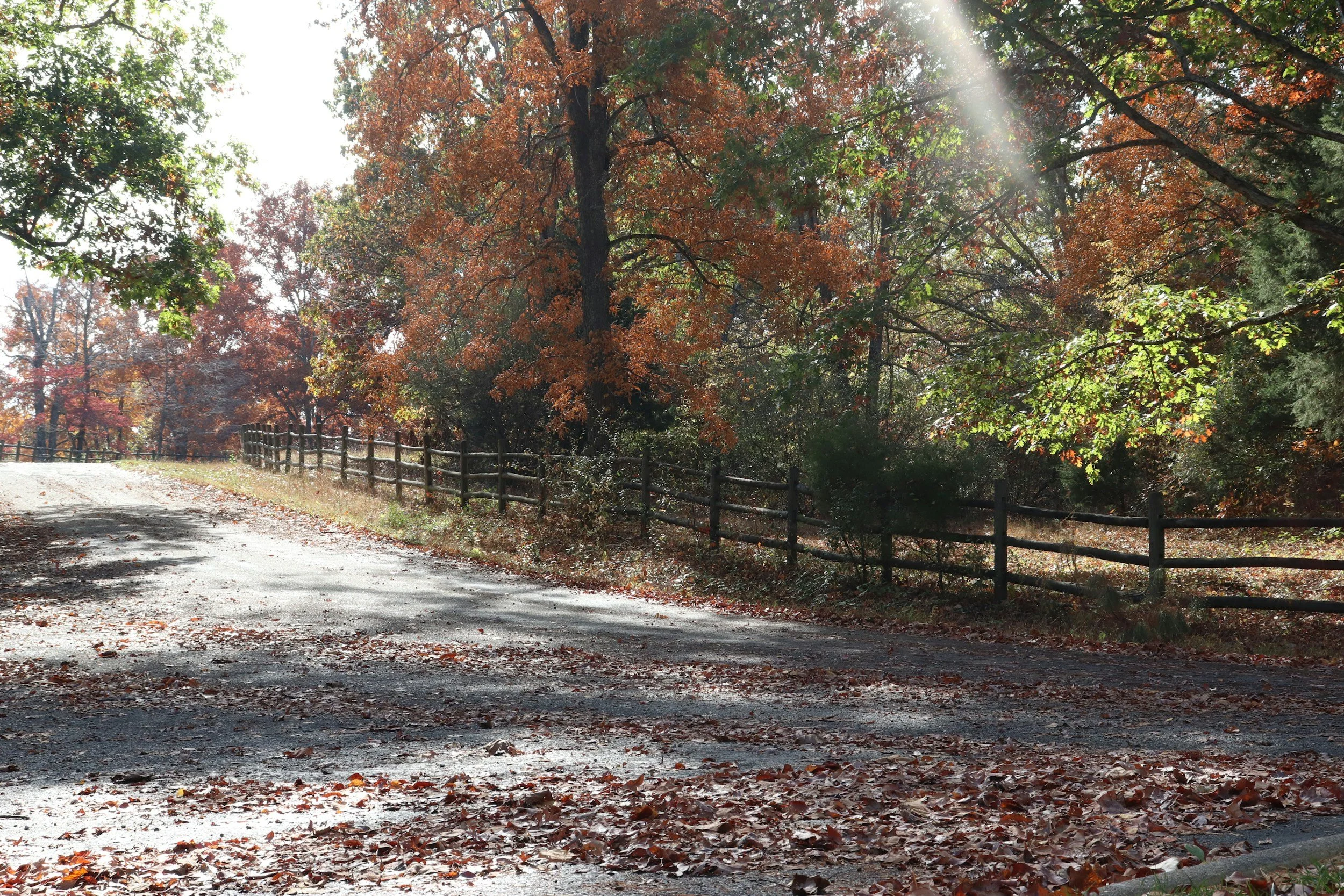
The end of October always seems to mark a turning point.
The last of the harvest, pumpkins on porches, leaves scattered across the ground, and that familiar chill in the air welcoming another season. Here in Chester County, autumn has a way of making itself known. The landscape changes almost daily, mornings become a little crisper, and daylight seems to disappear before we're quite ready for it.
And just as we're settling into the season, in the early hours of tomorrow morning, our clocks fall back an hour.
An extra hour of sleep sounds like a lovely little gift, doesn't it?
While we can change the time on a clock overnight, our bodies don't always adjust quite so easily.
We organize our lives around schedules, appointments, alarms, and calendars. Beneath all of that, our internal clock, known as the circadian rhythm, helps regulate sleep, wakefulness, and many of the body's natural processes throughout the day.
One of its most important influences is natural light.
As daylight changes throughout the year, so do the environmental cues our bodies rely on. Light influences alertness, our sleep-wake cycle, and the timing of hormones such as melatonin, which helps prepare us for sleep.
Even with all the ways we've learned to control our environments, our bodies are still responding to earth’s natural world around us.
Some people barely notice the seasonal transition, while others experience changes in sleep, energy, mood, or motivation. Although gaining an hour in the fall is generally easier than losing one in the spring, the adjustment can feel different for everyone.
We often expect ourselves to function with the same energy and enthusiasm regardless of the season. Meanwhile, the natural world is doing something entirely different.
Trees release their leaves. Gardens settle. The days grow shorter, and the landscape prepares for the colder months ahead.
Our responsibilities don't disappear when the seasons change, yet there's value in recognizing that change is a natural part of life rather than something we constantly need to work against.
Supporting ourselves through these transitions doesn't have to be complicated.
A little natural light in the morning can help reinforce the body's sleep-wake rhythm. Consistent bedtimes, gentle movement, and a quieter evening routine can help us feel more settled.
As the weather cools, we naturally gravitate toward those familiar comforts. A warm drink, a favorite blanket, or a few quiet minutes before the day begins. These everyday rituals offer opportunities to embrace the season and reconnect with ourselves.
I carry that same appreciation for comfort and intentional care into Body Flow Studio.
The experience of bodywork extends beyond addressing a particular area of tension. It's an opportunity to step away from the demands of the day, reconnect with your body, and recognize what you may need.
The warmth of the treatment room, the slower pace of a session, the sensory elements woven into the experience, and the simple comforts of our refreshment bar and Apothecary are all intentional parts of that environment.
These thoughtful details create space for the kind of care we often forget to make time for in our everyday lives.
And as the year draws to a close, that space can become increasingly difficult to find.
The final months of the year have an interesting way of pulling us in two directions. The world outside becomes quieter, while our calendars often become busier. Holidays, gatherings, year-end responsibilities, and everything we'd like to accomplish before another year comes to a close.
It's easy to get caught up in it all without recognizing how we're actually feeling.
Taking care of ourselves doesn't necessarily require doing less or completely changing our routines. It begins with being more aware of what our bodies are asking for.
The seasons remind us that finding our rhythm isn't about staying the same. It's about learning to move with change.
As we say goodbye to October, turn back the clocks, and settle into the cooler months ahead, consider this an opportunity to check in with yourself.
How have you been sleeping? Have you been getting outside? Are you making time for the little things that help you feel good?
You don't need to change everything at once.
Make time to learn what you appreciate most. Find a little daylight. Move your body in ways that feel good. Keep the routines that support you, and make room for the comforts that make this time of year so special.
And if tomorrow gives you an extra hour, perhaps you can enjoy the snooze.
Enjoy this season, and all the little warm comforts that come with it.
To Your Wellness ~ Summer
